Commercial office coffee machines
Reliable, high-quality coffee solutions for modern workplaces.

The best office coffee machine brands
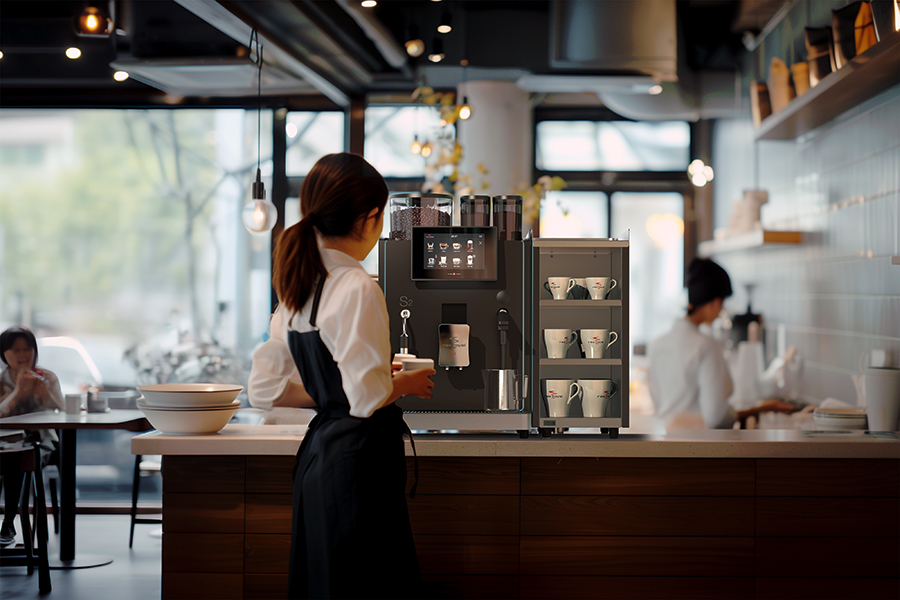
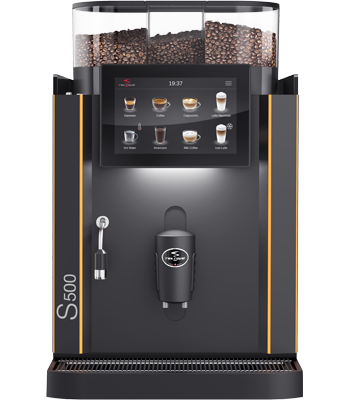
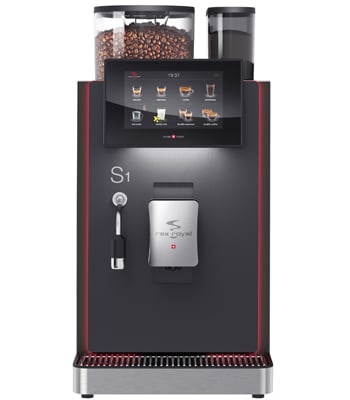
Our machines range from the latest bean-to-cup models to traditional filter machines, and we work with leading manufacturers including Rex-Royal.

Industry-leading service contracts
Our preventative maintenance, hygiene and telemetry services keep call-outs for our machines to a minimum.
Exclusive freshly roasted coffee beans
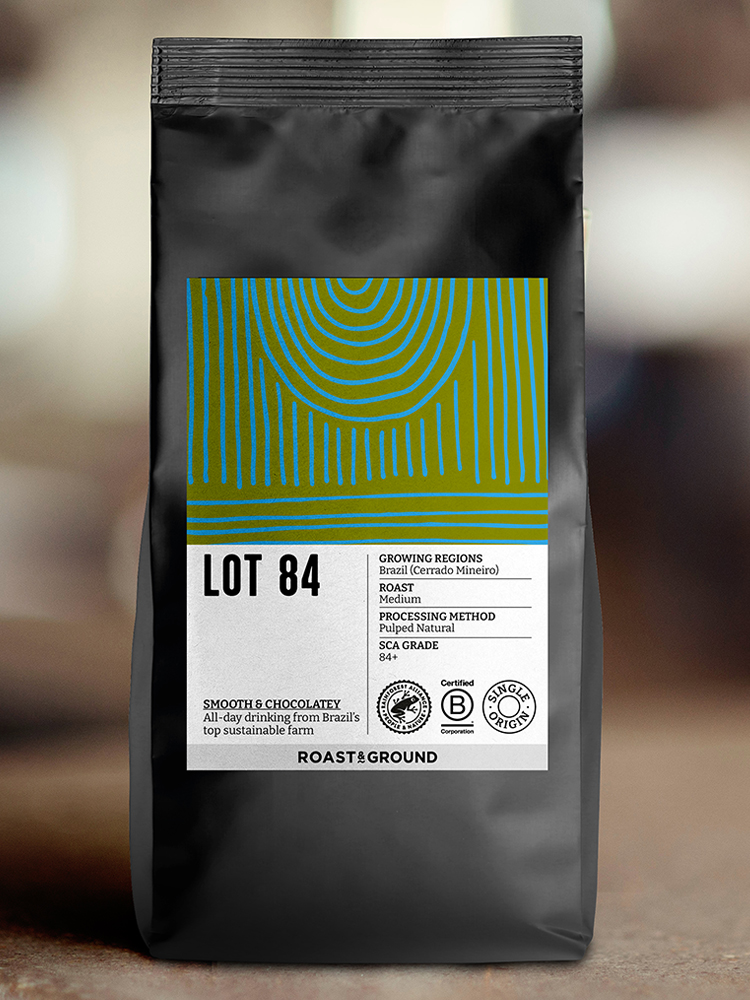
Fully-traceable, speciality grade coffees perfect for all-day drinking and designed to work beautifully in our machines.









Coffee Machine Experts Since 2002
We work directly with our manufacturing partners and personally specify all machines

Business to Business Specialists
From local and national office groups to schools and leisure venues, we understand the workplace

Industry Leading Service
We’ll fix machine issues in as little as half an hour, or have an engineer on site pronto

Everything for Workplace Drinks
Fast, convenient and secure online ordering with next-day delivery and credit accounts

Superior Freshly Roasted Coffees
An exclusive, award-winning range of speciality grade, sustainable and traceable beans

Committed to Sustainability
We continually revise our code to benefit the planet, our industry and community
See our machines in action
Experience the difference a top-quality coffee machine could make to your workplace. Join us for a tasting at our Moorgate or Chessington showrooms.

Bean-to-cup office coffee machines
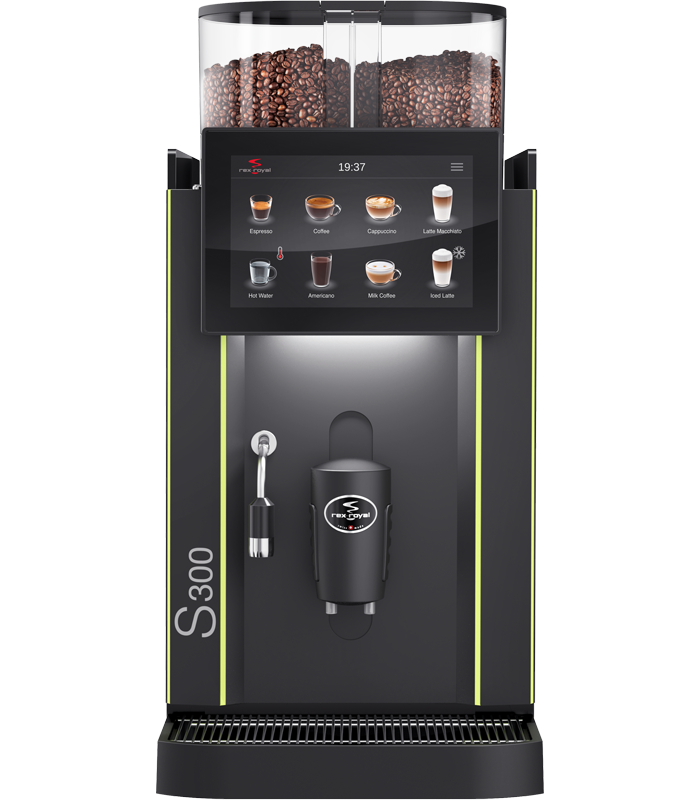
Our bean‑to‑cup machines freshly grind coffee for every cup and brew under pressure, delivering café‑quality drinks at the touch of a button. These machines are ideal for offices that want premium coffee with minimal training or effort.
Depending on the configuration, machines can offer a wide selection of drinks, from the perfect espresso to delicious cappuccino, latte, macchiato and more. Dual milk systems can supply both fresh and granular milk options for dairy and plant‑based drinks.
Automatic rinsing and cleaning programmes make daily maintenance straightforward while ensuring consistent drink quality throughout the day.
Filter coffee machines for office use
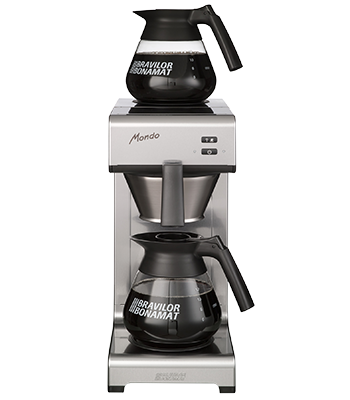
Does your office, or similar work space,need high volumes of coffee produced in good time? Our filter machines can deliver up to 500 cups per hour while remaining simple to operate and maintain.
These filter coffee machines are particularly suitable for larger offices, staff kitchens, or meeting environments where multiple cups are required at once. We supply market‑leading systems including Bravilor and Marco, along with vacuum flasks to keep coffee hot and ready to serve.
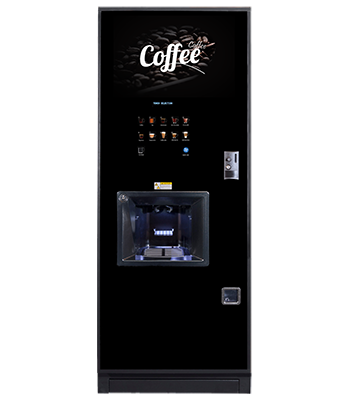
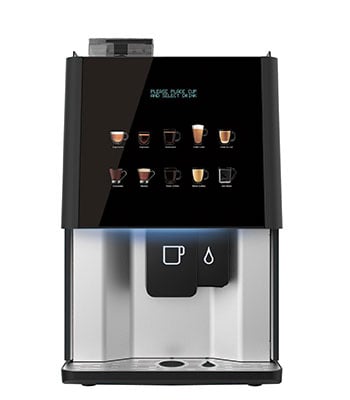
Free-standing coffee vending machines for offices
For larger workplaces or high-traffic areas, free-standing coffee vending machines provide a practical and cost-efficient solution for delivering drinks throughout the day.
These machines are capable of producing up to 500 cups per day, making them ideal for busy staff kitchens, canteens and communal workspaces where the team need quick and convenient access to hot drinks.
Despite their high capacity, modern vending machines still deliver excellent drink quality, offering a range of coffees as well as alternatives such as hot chocolate and tea.
We can also provide snack and soft drink vending machines to create a complete break area for staff and visitors.